What Is a Will?
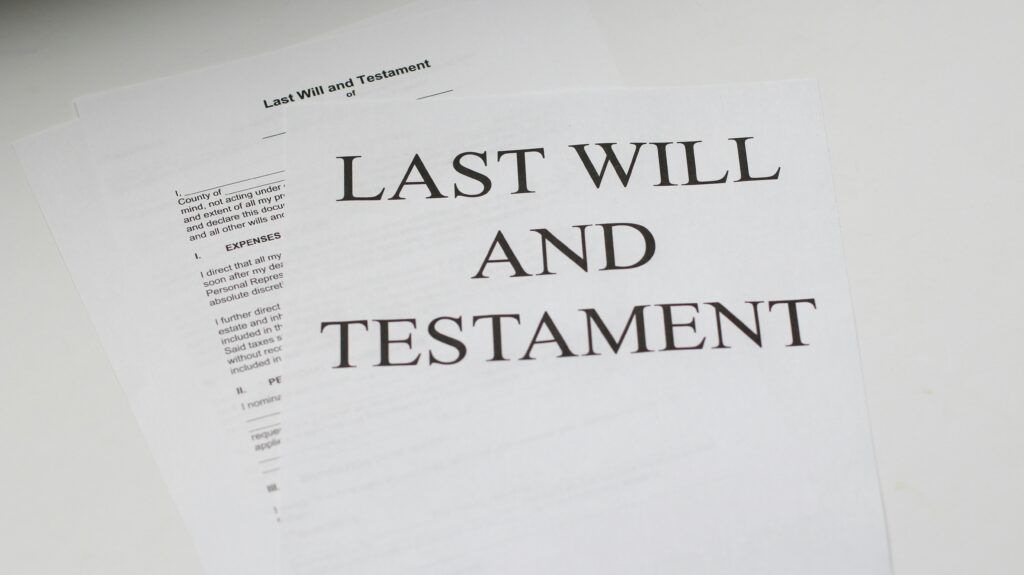
A will is a legal document that states how you want your assets, property, and possessions to be distributed upon your death. It can also include:
-
Appointment of an executor (the person who manages your estate)
-
Guardianship of minor children
-
Specific gifts or instructions for funeral arrangements
In Malaysia, wills are governed by the Wills Act 1959 (for non-Muslims). For Muslims, estate distribution follows Faraid and Syariah law.
The Wills Act defines a will as “a declaration intended to have legal effect of the intentions of a testator with respect to his property or other matters which he desires to be carried into effect after his death and includes a testament, a codicil and an apointment by will or by writing in the nature of a will in exercise of power and also a disposition by will or testament of the guardianship, custody and tuition of any child“.
Why Writing a Will Is Important
Writing a will not only ensures that your assets are distributed in accordance to your wishes. Without a valid will, your estate will be distributed in the manner prescribed by the Distribution Act 1958, which may not reflect your actual wishes.
Having a valid will can also serve the following purposes:
- Avoid family disputes on inheritance related matters
- Prevent delays in estate distribution
- Ensure that minor children or dependents are taken care of
- Appoint a trusted person as executor to manage your estate
- Reduce legal costs and court complications that potentially arise where there is no will
How to Write a Will in Malaysia: Step-by-Step
1. List Your Assets
If you intend to specify the distribution of your assets (i.e. specify which beneficiaries will receive which assets) then you should start by listing your assets which includes real property, bank accounts, company shares, investments, insurance policies, EPF, Vehicles, personal items, etc.
2. Identify Your Beneficiaries
Your beneficiaries are ther persons who will inherit your assets according to your Will. You may anyone you wish as your beneficiaries however your beneficiary cannot also be a witness to your will.
If your intended beneficiary is a minor, it is best to name a trustee in your Will to hold their portion on trust until they attain age of majority.
You may also wish to appoint a guardian to take legal responsibility for children under the age of 18 in the event both parents are no longer around.
3. Appoint Your Executor(s)
An Excutor is the person who is appointed by you in your Will to manage your estate and distribute your assets according to the Will. Therefore, this person should be someone you trust.
You may name up to four executors in your Will. Where any of the beneficiaries is a minor, you should appoint two executors to act jointly. An executor may also be a beneficiary under your Will.
4. Fulfilling The Legal Requirements
Under the Wills Act 1959, a valid will must:
Be in writing
Be signed by the testator (you)
Be witnessed by two independent witnesses, both of whom must sign the will in your presence (note that beneficiaries under your will cannot act as witnesses)
5. Store Your Will Safely
You must ensure that the original copy of your Will is stored in a safe location where there is no risk of tampering or misplacing the Will.
Although there is no legal requirement for a will to be sealed, you may choose to store your Will in a sealed envelope to prevent tampering.
You may also choose to inform your intended executor of the existence of your Will.
Conclusion
Writing a will is a crucial step in ensuring your assets are distributed according to your wishes under Malaysian law.
A properly drafted will reduces the risk of disputes and eases the administrative burden on your loved ones.
Obtaining professional legal advice helps ensure your will is valid, clear, and effective—providing peace of mind for you and certainty for those you leave behind.